What Is the Best Material for a Pergola in Waxahachie, TX?
The best pergola material for most Waxahachie, TX, homeowners is cedar or properly pressure-treated wood, thanks to its combination of durability, appearance, versatility, and value. Cedar offers natural resistance to decay and insects, while pressure-treated lumber provides an economical option for outdoor structures. Metal, especially aluminum or steel, can also be a strong choice when low maintenance is the priority.
At Woodcrafters Fencing, we understand that a pergola is more than an outdoor structure. It can become the centerpiece of a backyard, creating shade, defining an entertaining space, and adding architectural character to your property. Choosing the right material is especially important in Waxahachie, where pergolas must withstand intense summer sunshine, rain, humidity, and seasonal weather changes. Our team focuses on quality craftsmanship, durable materials, and designs that complement each homeowner’s property and goals. Whether you prefer the natural warmth of wood or the clean lines of metal, selecting a material suited to North Texas conditions can help your pergola look great and perform reliably for years.
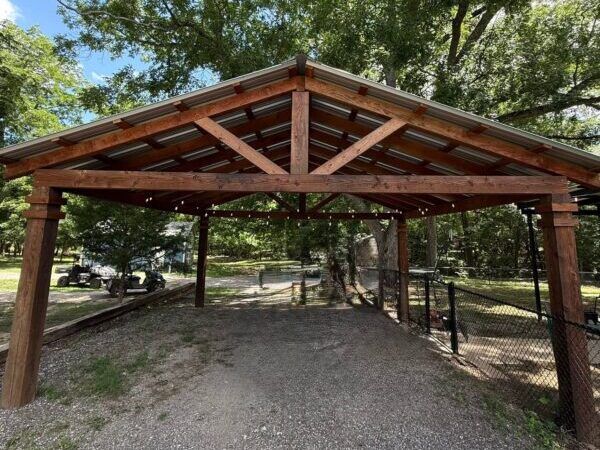
Choosing Durable Pergola Materials for the North Texas Climate
Waxahachie’s climate makes durability one of the most important considerations when choosing pergola materials. National Weather Service climate data for Waxahachie shows normal July and August maximum temperatures around 94°F, along with approximately 39 inches of precipitation annually. That combination of heat, sunlight, and moisture makes weather resistance important for any permanent outdoor structure.
The best material ultimately depends on your priorities, including appearance, maintenance, budget, and how you plan to use the space.
Is Cedar a Good Material for a Pergola?
Yes. Cedar is one of the best natural wood choices for an outdoor pergola because of its attractive appearance and natural resistance to moisture, insects, and decay.
The American Wood Council identifies cedar among naturally durable wood species that resist insect damage and moisture-related decay. That natural durability makes cedar particularly appealing for exposed outdoor structures.
Cedar pergolas also provide a warm, traditional appearance that works well with many Waxahachie homes. The wood can be stained to highlight its grain, sealed for additional protection, or allowed to weather naturally.
Key benefits of cedar include:
- Natural resistance to decay and insects
- Attractive grain and warm color
- Relatively lightweight construction
- Easy customization through staining and finishing
- Classic appearance that complements outdoor landscaping
Cedar still requires care. Sunlight, rain, and changing moisture levels can cause exterior wood to fade and weather over time. Periodic cleaning and finishing can help preserve its appearance.
Is Pressure-Treated Wood Good for Pergolas?
Pressure-treated lumber is a practical pergola material for homeowners who want the appearance and versatility of wood at a more budget-friendly price.
Pressure treatment helps protect lumber from organisms that contribute to deterioration. The American Wood Council notes that preservative-treated wood is commonly used in exterior applications where durability is necessary.
Pressure-treated wood offers several advantages:
- Lower initial material cost than many premium woods
- Resistance to rot and insect damage
- Good structural strength
- Easy painting or staining
- Wide availability and design flexibility
For Waxahachie homeowners, proper construction and finishing are particularly important. Texas A&M AgriLife recommends protecting wood exposed to rain or soil with an appropriate protective finish. Keeping structural wood properly protected from prolonged moisture can reduce the conditions that encourage decay and termite activity.
Should You Choose Aluminum or Steel Instead of Wood?
Metal is an excellent pergola option when minimal maintenance and long-term dimensional stability are higher priorities than a traditional wood appearance.
Aluminum pergolas resist rot and insect damage and do not require staining. Aluminum is also relatively lightweight, which can make it useful for contemporary outdoor designs.
Steel offers greater strength and can create a substantial, modern appearance. Proper protective coatings are important because exposed steel can be vulnerable to corrosion.
Metal pergolas may be a good fit if you want:
- Minimal routine maintenance
- Clean, contemporary styling
- Resistance to warping and wood decay
- Long-term structural performance
- A material that does not attract termites
The tradeoff is aesthetics. For homeowners who want their pergola to have the warmth and natural character of a traditional backyard structure, cedar or another appropriate exterior wood may be preferable.
How Do You Choose the Right Pergola Material for Your Home?
Choose your pergola material based on durability, maintenance, appearance, budget, and the amount of shade or weather protection you want.
Start by considering how you expect to use your pergola. A decorative structure over a garden sitting area may have different requirements than a large pergola covering an outdoor kitchen or entertaining area.
Consider these factors before deciding:
- Maintenance: Cedar and pressure-treated lumber benefit from periodic maintenance. Aluminum typically requires less ongoing care.
- Appearance: Wood provides natural warmth, while metal creates a cleaner and often more contemporary appearance.
- Budget: Pressure-treated lumber is typically the economical wood option, while cedar and metal systems can require a larger upfront investment.
- Exposure: Consider how much direct sun, rainfall, irrigation, and moisture the pergola will encounter.
- Design: Material choice can affect post dimensions, spans, decorative details, roofing or shade options, and the overall architectural style.
Do not overlook construction quality. Even an excellent material can perform poorly when water collects around connections, posts are improperly installed, or the structure is not designed for the conditions at the property.
Best Pergola Material FAQs
What type of wood lasts longest for a pergola?
Naturally durable woods such as cedar and redwood are well suited to exterior applications. The American Wood Council specifically recognizes cedar and redwood as naturally durable species, while properly pressure-treated lumber is another option where additional decay resistance is needed.
Is cedar or pressure-treated wood better for a pergola?
Cedar is usually preferable when natural appearance and inherent decay resistance are priorities. Pressure-treated lumber is often better when budget and structural value are the primary considerations. Both can work well when properly designed, installed, and maintained.
Does a wood pergola need to be sealed in Texas?
A protective finish is a smart choice for exposed wood. Texas A&M AgriLife advises that wood exposed to rain or soil should receive a protective finish, and periodic maintenance can help reduce weathering caused by North Texas sun and moisture.
Are metal pergolas better than wood pergolas?
Not necessarily. Metal pergolas generally require less maintenance, while wood offers a warmer, more traditional appearance and extensive customization options. The better material depends on your home’s style, budget, maintenance preferences, and outdoor living goals.
Build a Pergola Designed for Your Waxahachie Backyard
For many Waxahachie homeowners, cedar offers an excellent balance of natural beauty and durability, while pressure-treated lumber provides strong value and metal offers a lower-maintenance alternative. The right choice depends on your property, design preferences, budget, and expectations for long-term maintenance.
Woodcrafters Fencing can help you select materials and create a pergola that complements your home while standing up to North Texas outdoor conditions. Ready to Build a Beautiful Pergola in Waxahachie? Contact Woodcrafters Fencing Today.